Step-by-Step Guide to Installing PVC Pipes the Right Way
Even the best quality pipe will fail if installed incorrectly.
In many projects, pipe failures are not due to product defects — but due to poor installation practices, improper jointing, and lack of technical understanding.
This guide provides a step-by-step process to install PVC pipes correctly, ensuring long-term performance, leak-free systems, and minimal maintenance.
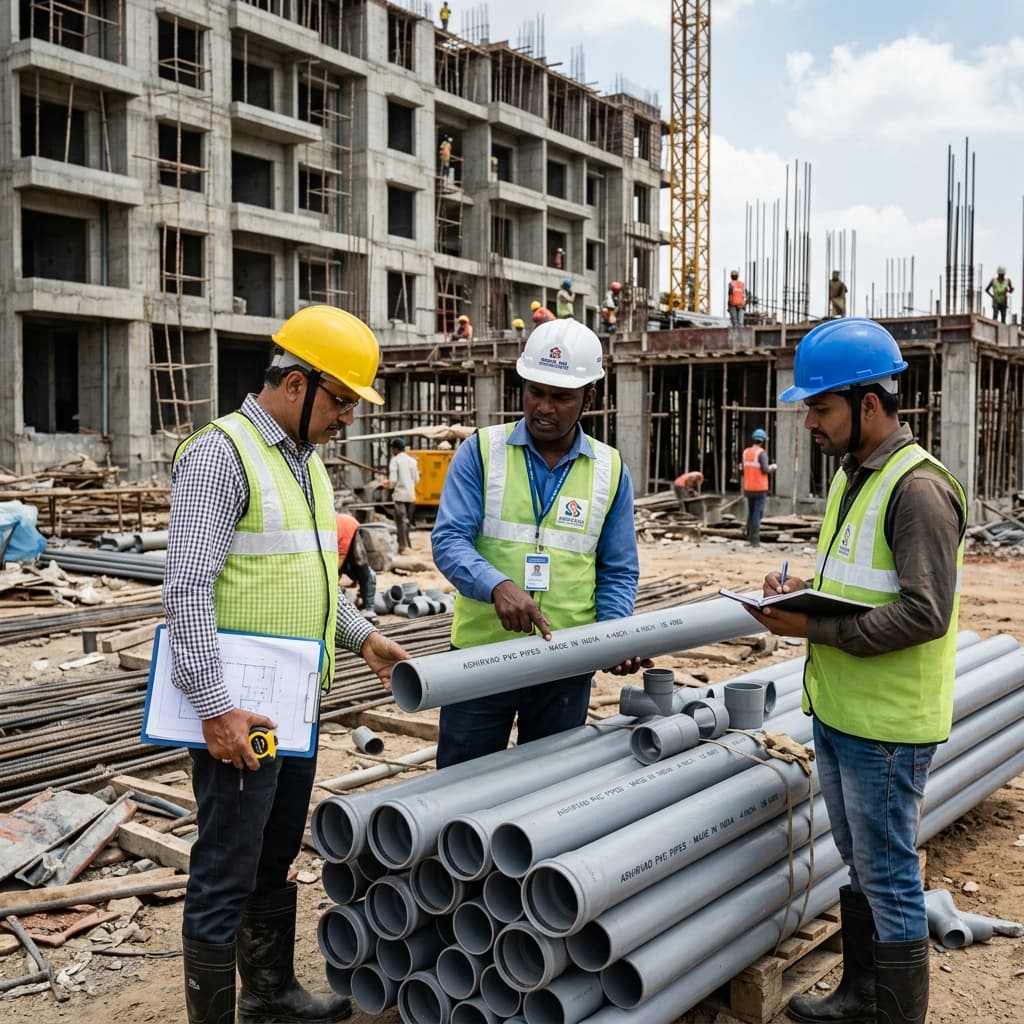
Tools & Materials Required
Before starting, ensure you have:
- PVC pipes & fittings
- Pipe cutter or hacksaw
- Measuring tape
- Deburring tool or file
- Solvent cement
- Marker
👉 Proper tools ensure precision and reduce errors.
Step 1: Measure & Cut the Pipe Accurately
What to do: Measure the required length carefully and cut the pipe straight using a cutter.
Why it matters:
- Uneven cuts lead to poor jointing
- Gaps can cause leakage
👉 Precision at this stage prevents future issues.
Step 2: Deburr & Clean the Pipe Ends
What to do: Remove rough edges and clean dust and debris.
Why it matters:
- Ensures proper bonding
- Prevents weak joints
Step 3: Apply Solvent Cement Properly
What to do: Apply cement evenly on the pipe and fitting. Do not overuse or underuse.
Why it matters: Ensures strong, leak-proof joints.
👉 This is the most critical step.
Step 4: Join Pipe & Fitting Correctly
What to do: Insert pipe fully into the fitting and hold for a few seconds.
Why it matters:
- Prevents joint movement
- Ensures proper sealing
Step 5: Allow Proper Setting Time
What to do: Let joints dry before applying pressure.
Why it matters: Premature use can weaken joints.
👉 Patience here ensures long-term reliability.
Step 6: Test the System
What to do: Run water through the system and check for leaks.
Why it matters:
- Identifies issues early
- Prevents future failures
Common Installation Mistakes to Avoid
- Cutting pipes unevenly
- Skipping cleaning and deburring
- Using incorrect amount of solvent cement
- Not allowing proper curing time
- Forcing misaligned pipes
👉 These mistakes lead to most pipe failures.
Pro Tips for Better Installation
- Always follow manufacturer guidelines
- Use proper fittings for each application
- Avoid excessive bending of pipes
- Ensure alignment before joining
👉 Good installation = long-lasting system.
Expert Insight
Installation is as important as product quality. Even high-quality pipes can fail if installed incorrectly or used in the wrong application.
At Euro Pipes Industries, we believe in not just supplying pipes — but ensuring they perform reliably in real-world conditions.
Need Expert Guidance for Your Project?
Whether you are a contractor, builder, installer, or distributor, our team is here to help you get the best results.